What to check before booking a Niagara Falls sightseeing trip
Booking a trip to Niagara Falls is easy to do in a few minutes, but the best outings usually come from a little advance checking. The falls area covers more than a single viewpoint. It includes parks, lookouts, tunnels, boat rides, towers, walking paths and busy streets, with each option suiting a different pace. Before committing to a plan, look closely at what is included, how much time the day will take and where the main stops sit in relation to one another.
A good starting point is to decide which side of the river matters most. The Canadian side is known for broad views of Horseshoe Falls and a concentrated visitor district near the falls. Other viewpoints offer a different angle and a quieter setting, but they may add border formalities and extra travel time. For a first visit, many people prefer to keep the core sightseeing on the Canadian side, then add only the stops that feel worth the extra effort. A canada niagara falls tour can be a simple way to group the main sights, but the details still deserve a careful read.
What the itinerary actually covers
The word tour can mean anything from a short walk with a guide to a full day of stops. Read the itinerary line by line and picture the day in real time. Does it include time at the falls themselves, or mostly time getting between places? Are the listed attractions genuine stops with time to look around, or just places passed on the route?
Look for named places you recognise, such as Journey Behind the Falls, the Niagara Parkway, Skylon Tower, Clifton Hill or the Whirlpool Aero Car. These names help you judge the character of the day. A route built around views and nature will feel quite different from one centred on viewpoints, rides and busy streets. If a place matters to you, check whether it is a proper stop and whether the time allowed is enough to do more than step inside.
Also check the order of the stops. A route that begins with the main falls view and then moves outward often feels more balanced than one that spends the best light on smaller stops. If the day includes a hornblower cruise, confirm how it fits with the rest of the plan. Boat rides can be a highlight, yet they work best when there is enough time to get to the boarding area without rushing.

Time, pace and free moments
Duration is useful, but it only tells part of the story. A long day may include slow travel, several stops and long waits. A shorter outing may feel tight if it tries to cover too much. Check the start time, the end point and whether the day is mostly guided or largely independent.
Think about the amount of standing and walking involved. Viewing platforms, paths and attractions can involve stairs, uneven ground and crowded areas. If anyone in the group needs to take the pace slowly, look for a plan with clear meeting points and enough unstructured time. Free moments are also valuable when the weather changes or when one view is too busy to enjoy. A day packed from start to finish leaves little room for that.
Season matters as well. In warmer months, the falls area can draw large crowds, especially around the main viewpoints. In colder months, some paths and attractions may feel more exposed, and portions of the experience can change because of conditions near the water. Check what is typically open in the season of your visit and whether the plan has alternatives if one stop is unavailable.
Location and arrival details
Before booking, check where the day begins and ends. A central meeting point near the falls is different from one farther away, especially if you are staying outside the main visitor area. Look at the nearby streets and think about how you would reach the starting point on the day. If you are arriving from another city, allow enough time for delays, especially at busy travel periods.
It also helps to know whether transport between stops is included. Some plans rely on walking, while others use a vehicle for longer stretches. This affects the pace, the amount of time outdoors and how easy it is to keep track of the group. If the route includes several separate locations, clear pickup points matter. Vague directions can turn a relaxed day into a stressful one.
For visitors comparing options, a canada niagara falls tour should be judged on how well the stops connect, not just on the number of attractions named. A shorter route with well chosen viewpoints may be more satisfying than a crowded schedule that leaves little time to take in the scale of the falls.

What is included and what is not
Read the inclusions with the same care you would give any travel booking. Some attractions may be part of the day, while others may require a separate admission. Entry tickets, boat rides, elevator access, meals and optional experiences are often handled differently. The key is not to assume that every named stop is fully covered.
Check the small practical points too. Are snacks included, or is there a break long enough to buy food? Is water easy to find along the route? Are there rest stops at sensible intervals? These details may seem minor, yet they shape the feel of the day. A plan that includes a proper break tends to be easier to enjoy than one that moves straight from one stop to the next.
Group size can also change the experience. Smaller groups often make it easier to hear the guide and ask questions. Larger groups may move more slowly at busy sites. Neither is automatically better, but the right choice depends on whether you value conversation, independence or a lively atmosphere.
Weather, clothing and comfort
Niagara Falls can feel different from the forecast in a nearby city. Spray near the falls, wind along the river and shaded paths can make the air feel cooler. Comfortable shoes matter more than stylish ones, particularly if the day includes lookouts, ramps or longer walks along the Niagara Parkway. A light rain layer can be useful in changing weather, and sun protection still matters on bright days.
Check whether the main viewpoints are outdoors and how much shelter exists along the way. If rain is likely, a plan with indoor stops may hold up better. If the forecast is clear, prioritise routes with open viewpoints and time near the water. The falls are impressive in many conditions, but comfort affects how long people want to stay.
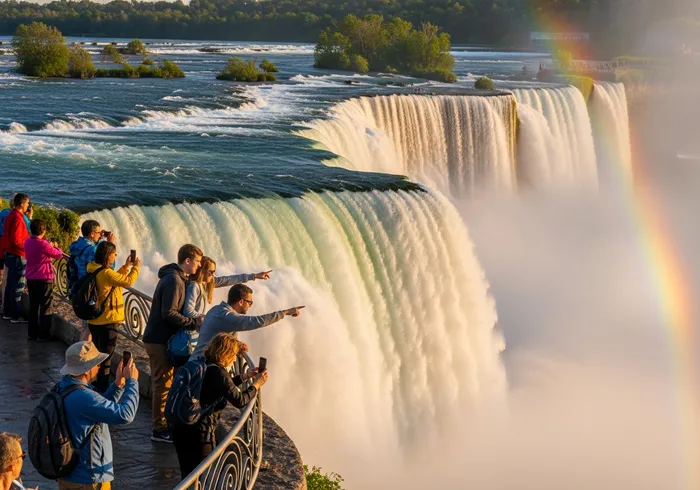
Photography is another practical point. Some of the best views come from places where crowds gather, so arrive with realistic expectations about space. If a camera or phone is important to you, look for a route that allows more than one viewing angle. A single quick stop may not give enough time for the light to settle or for the spray to clear.
Extra stops worth weighing up
Once the core falls views are settled, decide whether extra stops add value. Skylon Tower suits visitors who want a broad view from above. Journey Behind the Falls offers a close perspective near the base of the falls. Clifton Hill is better for a lively, entertainment-focused visit. The Whirlpool Aero Car adds a different landscape and a slower pace away from the busiest viewpoints.
Each choice involves a trade-off. Adding more stops can make the day feel richer, but it can also reduce time at the main falls. If the trip is short, choose one or two extras rather than trying to fit everything. If the day is longer and the group has mixed interests, a balanced route with a clear break may work better.
Finally, check the booking terms before paying. Look at the cancellation rules, the meeting instructions and what happens if conditions affect part of the route. Clear terms do not remove every uncertainty, but they make it easier to plan with confidence. When the itinerary, timing, location and inclusions all make sense together, the trip is far more likely to feel smooth on the day.